
Contents
- 📋 Prerequisites & What You Need
- 🔧 Step 1: Identify the Type of Clog
- ⚙️ Step 2: Use a Plunger
- 🎯 Step 3: Use a Drain Snake
- ✅ Step 4: Use Chemical Drain Openers
- 🚀 Step 5: Prevent Future Clogs
- ⚠️ Common Mistakes & How to Avoid Them
- 💡 Pro Tips & Advanced Techniques
- Frequently Asked Questions
- References
- Related Topics
Overview
This comprehensive guide teaches you how to unclog a drain using various methods, including chemical drain openers like Liquid-Plumr, plungers, and snakes. You'll learn how to identify the type of clog, choose the right tools, and take preventive measures to avoid future clogs. With these steps, you can save time and money by avoiding costly plumber visits. The process typically takes 30 minutes to an hour, depending on the severity of the clog. By following this guide, you'll be able to clear clogs and maintain your plumbing system with confidence. Additionally, you'll learn about the importance of using natural alternatives like baking soda and vinegar to clear clogs.
📋 Prerequisites & What You Need
Before you start, make sure you have the necessary tools and products, such as a plunger, drain snake, and chemical drain opener like Liquid-Plumr. You should also wear protective gloves and eyewear to avoid injury.
🔧 Step 1: Identify the Type of Clog
To identify the type of clog, check if the water is draining slowly or not at all. If it's a slow drain, you may be able to fix it with a plunger or a drain snake. If the water is not draining at all, you may need to use a chemical drain opener like Liquid-Plumr. You can also check if the clog is caused by a blockage in the pipe or a problem with the drain trap.
⚙️ Step 2: Use a Plunger
To use a plunger, place it over the clogged drain and push down slowly. Then, pull up quickly to create suction. Repeat this process several times until the clog is cleared. Make sure to use a plunger that is the right size for your drain, and use enough water to cover the plunger.
🎯 Step 3: Use a Drain Snake
To use a drain snake, feed the snake into the clogged drain and rotate it as you push it further into the pipe. This will help break up any blockages and clear the clog. Make sure to use a drain snake that is the right size for your pipe, and be careful not to scratch the pipe.
✅ Step 4: Use Chemical Drain Openers
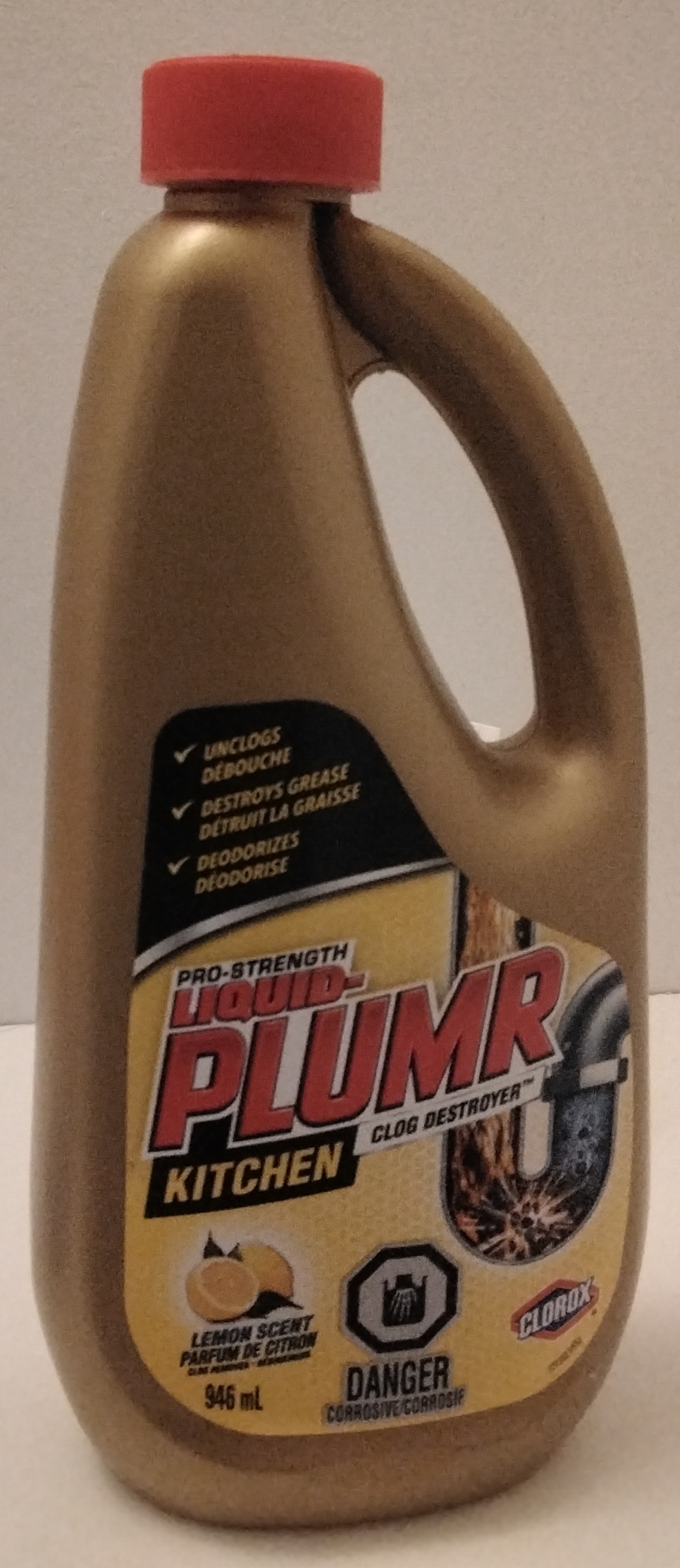
To use a chemical drain opener like Liquid-Plumr, follow the instructions on the label and pour the recommended amount down the clogged drain. Let it sit for a few minutes before rinsing with hot water. Make sure to use the right amount and follow the instructions carefully to avoid damaging your pipes. You can also use a natural alternative like baking soda and vinegar to clear clogs.
🚀 Step 5: Prevent Future Clogs
To prevent future clogs, make sure to clean your drains regularly and avoid pouring grease and other debris down the drain. You can also use a drain screen or filter to catch any hair or other debris before it goes down the drain. Additionally, consider using a natural drain cleaner like baking soda and vinegar to keep your drains flowing smoothly.
⚠️ Common Mistakes & How to Avoid Them
Common mistakes to avoid include using too much chemical drain opener, which can damage your pipes, and not wearing protective gloves and eyewear, which can cause injury. You should also avoid using a plunger or drain snake that is too small or too large for your drain, as this can cause damage to the pipe or the surrounding area.
💡 Pro Tips & Advanced Techniques
Using a combination of methods, such as a plunger and a drain snake, can help clear tough clogs. You can also use a natural drain cleaner like baking soda and vinegar to keep your drains flowing smoothly.
Key Facts
- Year
- 2022
- Origin
- United States
- Category
- guides
- Type
- concept
- Format
- how-to
Frequently Asked Questions
What is the best way to unclog a drain?
The best way to unclog a drain depends on the type of clog and the severity of the blockage. You can use a plunger, drain snake, or chemical drain opener like Liquid-Plumr. For more information, visit This Old House and search for unclogging drains.
How often should I clean my drains?
You should clean your drains regularly to prevent clogs and maintain your plumbing system. You can use a natural drain cleaner like baking soda and vinegar to keep your drains flowing smoothly. For more information, visit Home Depot and search for drain maintenance.
What are the risks of using chemical drain openers?
Chemical drain openers like Liquid-Plumr can be effective, but they can also damage your pipes and cause injury if not used properly. Make sure to follow the instructions carefully and wear protective gloves and eyewear. For more information, visit EPA and search for chemical safety.
Can I use a plunger on a toilet?
Yes, you can use a plunger on a toilet, but make sure to use a plunger that is specifically designed for toilets. You can also use a toilet auger to help break up tough clogs. For more information, visit Lowe's and search for toilet plungers.
How can I prevent future clogs?
To prevent future clogs, make sure to clean your drains regularly and avoid pouring grease and other debris down the drain. You can also use a drain screen or filter to catch any hair or other debris before it goes down the drain. Additionally, consider using a natural drain cleaner like baking soda and vinegar to keep your drains flowing smoothly.